The initially cozy weekend break has a special buzz to it. Yards green up, bushes push new growth, and the timer on your irrigation controller begins murmuring that it is time to awaken the system. If you deal with springtime start-up as a quick twist of a shutoff and a faucet of a switch, you will certainly acquire troubles that set you back far more by July. A mindful hour now can save you weeks of area watering later, not to mention the cash and irritation that include emergency situation lawn sprinkler repair service in peak season.
I have actually started hundreds of systems after winter, from little suv lawns to multi-acre grounds. The patterns know. Cold months are difficult on plastic and rubber. Gaskets flatten. Tiny grains of sand drift into shutoffs. A slanted head sinks a quarter inch each time while the lawn swells around it. None of this is significant, but all of it steals water far from where you intend it to go. Good lawn sprinkler upkeep recognizes this peaceful drift and resets the system to where it must be.
What winter months does to a sprinkler system
Water discovers its way right into areas you do not anticipate. Also if you had the system effectively winterized, a little dampness can pool in low runs of pipeline or inside heads. When temperatures decrease, that moisture expands. On polyethylene lateral lines, you could see a harmless flex. On PVC, duplicated growth can start a hairline split that does not leak till stress builds in springtime. Rubber diaphragms in valves grow tight in the cold. O-rings in rotors shed flexibility, then decline to seal as soon as forced. Threaded installations that were perfectly tight in October work themselves simply loose adequate to weep.
Frost heave and lawn traffic create their own mischief. A rotor that was set perfectly level in 2014 can sit a half inch low now, which implies the nozzle shoots right into the grass rather than over it. Pop-up sprays get angled by a snow shovel or a wheelbarrow, and instantly they throw onto the sidewalk as opposed to the lawn. Backflow preventers, set down over quality to meet code, sustain months of exposure. Their test ports and vent caps can split or block with spider internet. None of this screams failure, but add it up throughout 30 or 60 heads and you are watering waste.
The initially warm weekend break: establish the stage
Do not hurry to spin the major valve open. Springtime startup begins with a stroll and an appearance. Clear particles, trim perennials that grew into spray courses, and take note of any kind of settling. A flashlight aids inside shutoff boxes, where you are trying to find mud, rodent nests, or standing water that means a slow-moving winter leakage. I like to bring a kneeling pad, network locks, a small flat screwdriver, a handful of Teflon tape, and 2 spare nozzles that match one of the most typical head versions on website. An inexpensive pressure gauge with a pipe string link or a Schrader shutoff adapter is also worth carrying, since numerous springtime problems trace back to pressure that is expensive or too low.
Your controller should have attention before any kind of water runs. Open the panel and replace the battery if it utilizes one, then check the date, time, and watering days. Power blips can scramble routines. If you have a clever controller tied to weather, confirm it reconnected to Wi-Fi. Greater than when I have discovered a controller that changed to manufacturing facility default after a wintertime outage and was readied to water every day at dawn. That develops soggy soil and fungus just when turf roots are attempting to dive deeper.
A short pre-start checklist
- Verify the backflow preventer is intact, test ports shut, and seclusion shutoffs set to the right alignment for startup. Confirm the controller zone list still matches your lawn, after that put it in manual mode. Inspect valve boxes for leakages, ate cords, or ants, and clear out debris. Walk each grass and bed to find slanted or buried heads, then note them with flags for adjustment. Close all drainpipe cocks and cap any kind of winter blowout fittings you opened.
Bring the system to life gently
Pressure shocks trigger more damage than any kind of various other component of springtime startup. Steel pipelines can manage a quick thrill of water, yet PVC laterals and plastic shutoffs do much better with a slow fill. Open up the major water system to your irrigation line one quarter turn and listen. You will listen to water move with the heartburn preventer, after that stop as it loads the major line. Give it a min. An additional quarter turn, one more pause. Once it is completely open, resist need to run every area at once. Job one zone at once, for 2 or 3 minutes per zone, and watch what happens.
Step-by-step startup sequence
- Start with the area literally closest to the water resource so air relocations downstream. Open that zone at the controller, after that stroll the heads as they purge air. Expect sputtering and milklike water at first. Check each head for pop-up, rotation, and toss. Align, increase, or clean nozzles as you go. Move to the next downstream area, repeating the exact same checks, and circle back to the very first area when air removes to establish final arcs and nozzles. After all areas run, inspect the heartburn preventer and the main installations again for any indications of seepage.
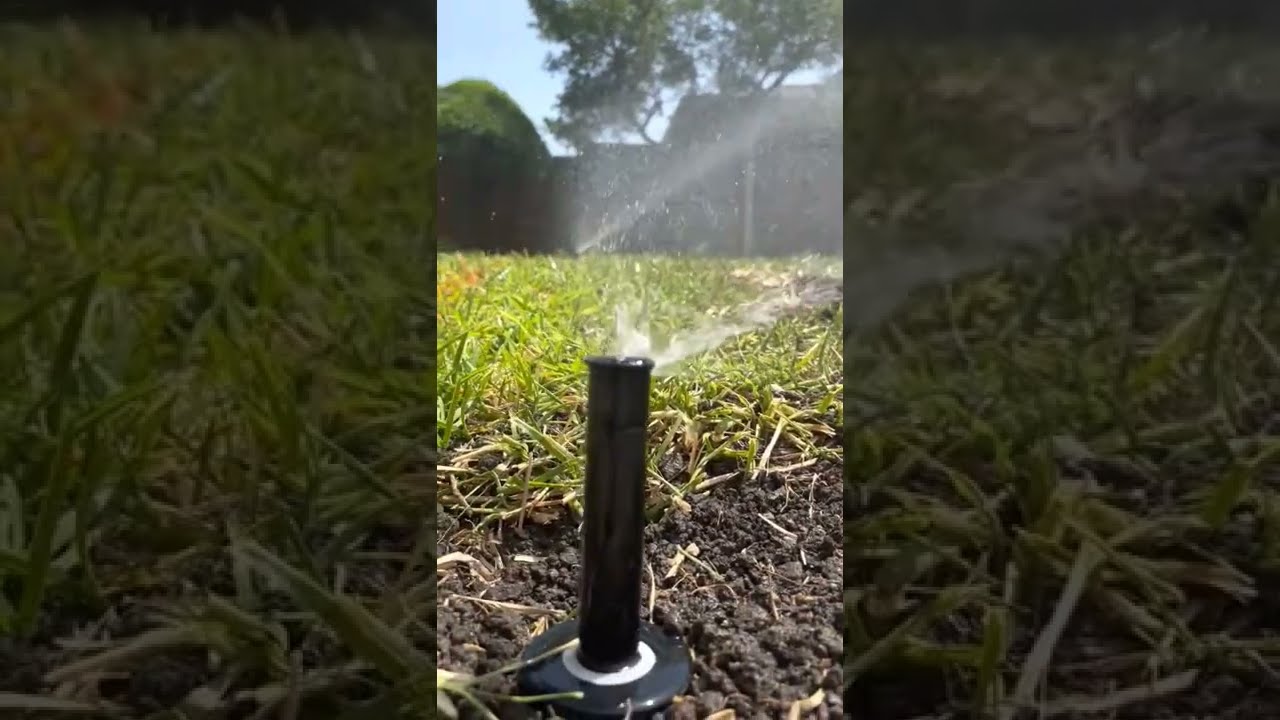
I tap the top of each pop-up as it goes to feel resonance and water hammer. A chattering noise indicate a pressure-regulating issue or a partly shut valve. If heads barely increase, stress is low or a leakage is depriving the lateral. If heads are misting and drifting, pressure is too high or nozzles are worn. A simple gauge attached to a tube bib near the watering linkup will inform you the static stress. Most household spray zones favor 30 psi at the head, rotors 45 to 55 psi, and drip 20 to 30 psi. If your fixed pressure is 80 psi and you see clouds as opposed to stable streams, include stress regulation at the shutoff or head level, not simply at the house.
Common sprinkler repair work issues you will catch early
A great start-up is an online analysis. A number of failing settings turn up in the very first five mins if you pay attention. One springtime I opened a system and saw one blades spinning like a prop, flinging a pencil-thin stream. The nozzle had befalled over winter season. Ten feet away, another head declined to turn up greater than an inch, starving the whole edge. The culprit was grass clippings packed right into its riser. Two minutes with a screwdriver and hose pipe conserved a service call.
Here are the failure settings I see most often and exactly how I approach them in the area:
Broken or sunken heads. If a mower clipped a head last fall, the body may be split listed below quality. With the area off, wiggle the head. Any type of wobble recommends a broken swing joint or loose fitting. Dig a cool square around the head, lift the turf, and subject the suitable. If the break is below the threaded joint, I change the swing joint setting up entirely instead of trust a weak item. When a head is just low, I add a brief nipple or a taller body and set the leading flush with the soil quality. Flush the lateral before re-installing the nozzle to stay clear of pressing grit back through the seals.
Clogged nozzles. Sand, pests, or mineral scale develop behind the nozzle. If a spray has a rugged, uneven follower, closed the area off, get rid of the nozzle and display, and rinse. If you see a white crust, saturate the components in a light vinegar remedy. On rotors, a weak stream often means the nozzle is partially obstructed or the filter display is loaded. Pull the riser, clean the screen, and reseat the nozzle. Maintain a tiny variety of substitute nozzles due to the fact that older plastic fatigues and splits when you tear it out.
Valve troubles. A zone that will not open or will certainly not shut suggests a solenoid, diaphragm, or particles problem. Examine the shutoff from the controller first, then utilize the manual bleed screw on the shutoff body. If it opens by hand but not electrically, check the solenoid coil with a multimeter for 24 volts air conditioner when turned on. Coils are inexpensive and simple to exchange. If the shutoff chatters or will not close, power it off and dismantle the leading to inspect the diaphragm and seat. Fine sand usually ratings the seat. If the diaphragm has actually tensed or torn, change it. Always depressurize the system prior to you open up a valve, and keep track of spring alignment during reassembly.
Wiring faults. Winter animals like shutoff boxes. Eaten splices turn up as a dead zone. Utilize a straightforward cord tracker or perhaps an examination light to verify connection. Water resistant gel-filled connectors are worth their little premium in price due to the fact that they resist wetness creep. If you are regularly chasing cable issues in damp boxes, elevate entwines inside package on a clean plastic base.
Backflow preventer problems. I have actually seen PVBs crack on the back side where you do not look initially. Evaluate with a mirror or by feel. A sluggish drip from a vent cap suggests particles lodged in the check setting up. Some settings up allow you clean the checks, others require to be changed. Know your regional code, since many locations call for a qualified tester to service heartburn gadgets and documents yearly reports.

Pipe leakages. An area that never gets to stress most likely has a side break. Seek merging water or a saturated stretch of lawn. If the break is evasive, run the suspect zone for 10 mins, after that probe soft areas with a screwdriver. For PVC, a clean repair work needs square cuts, primer, and solvent cement, adhered to by a person treatment time. Push-on repairs can work in a pinch, but I just use them when the soil is wet and a glued joint will certainly not treat. For polyethylene laterals with insert installations, be charitable with clamps: two per side, placed on the increased barbs.
Dialing in insurance coverage and arc
An excellent irrigation pattern is also, not brave. You do not desire a solitary head to toss water 40 feet, you desire head-to-head protection at a steady span. Wind and incline will constantly take a little, so construct in overlap. After the system purges air and you make fundamental repair work, take 5 additional mins to straighten arcs with a screwdriver or blades device. On sprays near walkways, narrow the arc so the follower kisses the edge without soaking it. On blades, established the left quit first, then the arc, then the right stop. I like to end up arc modifications with the head running so I can see the sweep.
If you added or changed beds over wintertime, you could need to re-nozzle. An easy swap from a 10-foot to a 12-foot follower on a corner spray can get rid of a dry triangular. On a broad rectangular shape with rotors, mixing nozzle sizes across a zone aids fine tune distribution. Simply watch on stress: bigger nozzles require even more flow. If a zone uses way too many high-flow nozzles, pressure droops and throw diminishes, which produces one more irregular pattern. When in doubt, add a zone instead of overload one.
Pressure, policy, and why mist takes water
Misting looks rather in early morning sunlight, however those small beads vaporize or drift away prior to they get to soil. Excess pressure is the usual reason. A system at 75 psi feeding basic sprays will certainly atomize. You can set up a pressure-reducing valve before the manifold, yet I have actually had far better results with pressure-regulating spray heads or bodies that hold 30 psi at the nozzle. They cost a few dollars much more per head, yet the water cost savings over a period dwarfs the costs. For blades areas where 50 psi is preferable, usage guideline that matches blades needs, not spray setups. If your water utility delivers stress that swings hour by hour, think about regulatory authority valves for each zone. Steady stress makes changes stick.
The controller becomes part of upkeep, not just an on-off switch
Programming is where you shield plants and your water costs. Lawn origins in springtime want deep, seldom watering. I start with runtimes that press moisture 4 to 6 inches right into the dirt, which may be 12 to 20 mins for sprays and 30 to 45 mins for blades on loamy soil. Then I break that into cycle and saturate to avoid drainage. For example, 2 cycles of 10 minutes with a 30 minute take in between does more great than one 20 min blast on a slope.
Pay focus to plant type. A bush bed with drip should be on a different routine from sunny turf with sprays. Drip requirements much longer however much less constant runs. If you are still running a single program throughout the whole home, this springtime is your chance to different zones and tailor them. Smart controllers aid, but they are not magic. One of the most helpful function for the majority of home owners is seasonal modification. As temperature levels rise, bump runtimes up 10 to 15 percent, not 50. When rainfalls show up, dial them back. I keep a written log or a quick note in a phone for each and every adjustment, including why I made it. That record assists me prevent overreacting to one hot week.
When sprinkler upkeep turns into little upgrades
Maintenance captures issues, but in some cases a little upgrade will save you hours. Pressure-regulating heads are one example. Inspect shutoffs developed into heads are one more. They avoid low head water drainage on slopes, which stops puddles and the sloppy halos that show up about reduced heads every early morning. If you are changing more than a couple heads this springtime, think about upgrading the bodies to public relations with check shutoffs where it makes good sense. In beds, I frequently swap sprays that constantly struck hardscape for a brief run of drip line along the edge. That easy modification reduces overspray, battles weeds, and keeps pathways dry.
Timers age out as well. Early controllers were sturdy, but I see weird behavior at 12 to 15 years. Programs do not hold. Relay clicks are weak. If your controller is old enough to elect, spring is a good time to replace it. Newer designs make repairing less complicated with clear area labeling, integrated diagnostics, and hand-operated run switches that save you from countless clicks. If you pick a clever model, choose one with an https://stephenzmha530.cavandoragh.org/springtime-lawn-sprinkler-upkeep-beginning-the-period-right uncomplicated interface and a true seasonal modification you can override. Prevent the lure to let it add watering days indiscriminately since it experienced an anticipated warm spell.
Safety and code around backflow
Backflow tools shield your alcohol consumption water. They maintain plant food, family pet waste, and dirt microbes out of the domestic line. Many regions require an examination each year by a certified tester, generally in springtime. If your public utility sends out a notification, do not disregard it. Arrange the test after you finish the initial startup so any kind of repair work are done. Keep duplicates of your test tag or report. I have seen homeowners fined after relocating right into a house without documents and uncovering a decade of missing tests. Replacing an overlooked or frozen PVB usually runs a couple of hundred dollars in parts plus labor, and the work is faster if the valves on either side are operable and labeled.
Tools that make spring work go faster
You do not need a van full of gear, however a few products minimize cursing. A multi-bit screwdriver and a devoted blades device take care of most adjustments. A slim trenching spade allows you cut a clean square for head repairs without harming the bordering grass. PVC cutters make cleaner, quicker fixings than a hacksaw, which can shatter cold pipeline. A hand pump or wet/dry vacuum clears muddy valve boxes so you can see what you are doing. And a container of blended nozzles arranged by brand name prevents you from forcing a Hunter nozzle right into a Rain Bird body or vice versa. Brand name suit issues. So do nozzle dimensions that make sense together within a zone.
When to quit tinkering and require sprinkler repair
Some issues reward experience. If you locate an area that will not shut down also after clearing the valve, there could be a control issue upstream. If your manifold is a fossilized cluster of PVC with crying joints, replacing components piecemeal will certainly lose time and cash. Similarly, when circuitry turns into a scavenger hunt, a pro with a cable tracer can save hours. Normal service prices differ extensively by area, yet a straightforward head replacement commonly lands in the 40 to 100 buck variety for components and labor, while shutoff substitutes can run 120 to 250 dollars relying on gain access to and components. A full manifold restore with four to six valves climbs from there. Request clear quotes, and if a technology recommends sweeping adjustments, ask them to separate must-have repairs from nice-to-have upgrades.
Knowing when a fresh sprinkler setup is smarter
There is a point where keeping an old, dissimilar system limping along prices more than starting tidy. A system with blended head types on the exact same area, small pipeline from the 1980s, and a controller that lost its mind every storm will certainly waste water and time. If you encounter that, talk about partial rework rather than a complete tear-out. Separate spray and rotor areas. Up-size a couple of crucial laterals. Add a new manifold place if the old one beings in a constantly damp edge. Modern lawn sprinkler setup is more than hiding pipe. Excellent layout teams zones by plant water require, sun direct exposure, and soil kind. It establishes head spacing to true neck and neck protection, not confident lengthy tosses. It includes pressure regulation at the shutoff or head degree so your springtime modifications hold through July.
When creating or authorizing a new set up, confirm the static stress and available circulation at your website, after that dimension zones to remain listed below that number with margin. I like to target 80 percent of the determined circulation, leaving clearance for stress decline as filters and screens age. Use swing joints on all heads so minor changes in soil do not break fittings. On slopes, specification check valves to quit drain down. In beds, default to drip unless there is a specific factor sprays make sense. If you acquire a system with blades sprinkling a slim 4 foot strip, that is an invite to remodel the zone.
Seasonal maintenance past spring
The ideal spring job sets the tone for the whole expanding period. I schedule a fast audit a month after start-up. Grass development and mowing disclose where heads sit as well low. Summertime warm exposes weak spots in scheduling. Mid-season, I cleanse filters at the drip zone valves and flush drip lines if they have end caps. I bump runtimes according to plant anxiety, not schedule dates. If impacts remain in turf or leaves curl in beds, extend the timetable a little. After a heat wave, do not reflexively cut water at one time, let the root zone recover.
Edge situations issue. Shaded north sides need less water than southerly exposures, even on the exact same area. Clay dirts require much shorter, a lot more constant cycles to avoid runoff. Sandy soils need deeper, much longer soaks with more regular watering. Windy websites may need a little extra overlap or different nozzle patterns. A big oak tree that leafed out will alter soil dampness in a vast span, and heads put under its canopy may currently spray into low branches unless you trim.
Record what you did, and what you found
I keep an easy illustration of every home, absolutely nothing fancy. Area numbers, headcount, special notes. The backflow design and size, the year it was last replaced, and the name of the screening company. I note strange valves that just seal if you transform them a full 90 degrees plus a push. These little notes make the next spring smoother. If you offer your house, the following proprietor will certainly honor you for it.
A last word on water, patience, and judgement
Spring startup must feel systematic, not hurried. The system has actually been asleep. Wake it carefully. View and listen. Repair the tiny things before they develop into large things. True sprinkler upkeep is not regarding chasing after leaks, it is about resetting the placement between water and landscape. Aim for even insurance coverage, controlled pressure, and schedules that appreciate plant requirements. Include upgrades where they pay for themselves in dependability and financial savings. Know when a targeted lawn sprinkler fixing maintains you on the right track, and when it is smarter to remodel a section or think about a fresh lawn sprinkler installation. With that said approach, the very first warm weekend break comes to be the quiet start to a period where your plants grow and your watering does its work without drama.